



Cell-phone:13216408888
Tel:0086-579-85199988
Address:Room 601-605, 6th Floor, Huishang Tiandi Business Building, No. 1505 North Chouzhou Road, Yiwu City, Zhejiang Province
-
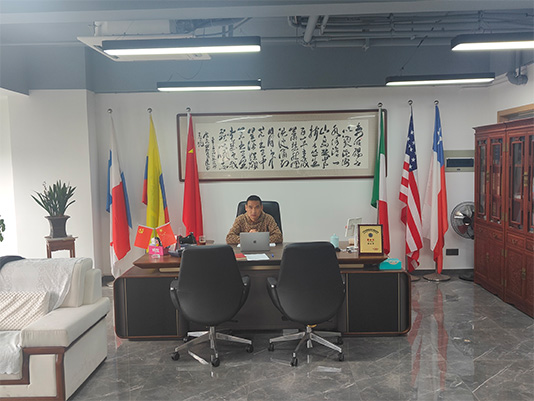
What are the main steps in purchasing Dongbo products?
1. Procurement planThe purchaser should develop a procurement plan based on the purchase requisition, company production plan, and sales plan, and should have a global perspective.2. Selection and assessment of suppliersA. How to select the most suitable supplier is one of the most important responsibilities of the procurement department. Generally speaking, the more suppliers there are, the greater the opportunity to choose the most suitable supplier. Therefore, how to expand the search for suppliers is a crucial issue for procurement personnel. Searching for suppliers can be done through the internet, magazines, as well as magazines and industry introductions.B. The assessment of suppliers is also important, generally evaluated from aspects such as business performance, supply capacity, technical ability, quality ability, etc., and regularly scored comprehensively from aspects such as quality, freight, price, overdue rate, and cooperation.3. Inquiry, comparison, and negotiation4. Signing of contractAfter inquiry, quotation, negotiation, comparison, and other processes, the buyer and seller sign the relevant agreement, and the contract is established. The signing of procurement contracts should vary depending on the requirements of the purchased goods, the situation of the supplier, the management requirements of the enterprise itself, procurement policies, and other requirements. Payment terms, shipping method, after-sales service, etc. need to be determined.5. Delivery acceptanceDelivery acceptance is the most important part of procurement operations. The purchaser must ensure the correctness of the variety, quantity, quality, and delivery date of the goods.6. Quality inspectionIf the quality inspection of the goods is qualified, they will be stored. If they are not qualified, remedial measures and returns need to be arranged.7. Financial settlementAfter the goods are received, financial settlement is made.1. Confirm the company's business policies and strategies, and formulate procurement policies.2. Understand and analyze internal and external environmental factors of the enterprise, including product dynamics (raw material supply and production capacity, changes in raw material costs), competitor analysis, consumer trends, internal sales data analysis, inventory status, and future sales plans.3. Develop a procurement plan based on the results of the above two steps. The plan should include: procurement conditions (payment terms, minimum delivery quantity, delivery method, return conditions, etc.), purchasing manufacturer, purchasing time, product category, product amount, product quantity, etc4. Review and revise the procurement plan.5. Execution and control of procurement work.6. Review, analysis, and knowledge accumulation of procurement work execution results.
2024-03-11More>> -
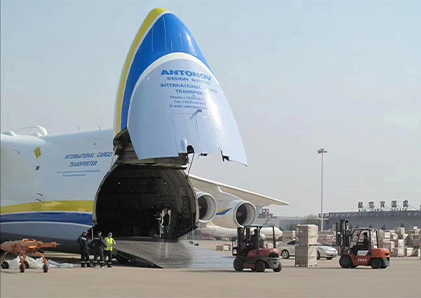
Distinguishing between Heavy Cargo and Bubble Cargo in Air Transport
Air transportation has become an indispensable part of the logistics chain of multinational enterprises due to its speed and efficiency. Especially for goods that are sensitive to time and have high value, air transportation is the preferred logistics method. However, the cost of air transportation is relatively high compared to other transportation methods. How to accurately provide quotations to customers and how to reasonably control transportation costs has become a problem that many freight forwarding companies and exporters need to carefully consider. This article will delve into the distinguishing standards between "heavy cargo" and "bubble cargo" in air transportation, as well as how to reduce transportation costs through effective packaging strategies and other methods.The distinction between heavy goods and bubble goodsIn the air transportation industry, goods are divided into "Dead Weight Cargo" and "Volume Cargo" or "Light Weight Cargo" based on their weight to volume ratio. The main basis for distinguishing these two types of goods is the comparison between the volumetric weight and actual weight of the goods.The actual weight refers to the physical weight of the goods themselves, which is directly obtained through weighing.Volume weight refers to the limited capacity of aircraft cargo holds. For goods that occupy a large space but are light in weight, airlines will calculate their transportation costs based on volume. The calculation formula for volumetric weight is generally: volumetric weight (kilograms)=cargo volume (cubic meters) ÷ specific coefficient. The international standard coefficient is usually 0.006 cubic meters per kilogram.Based on this, when the volumetric weight of the goods is greater than their actual weight, the goods are considered "soaked goods", and vice versa, they are considered "heavy goods".The impact of heavy and soaked goods on shipping costsThe freight for air transportation is calculated based on the chargeable weight of the goods, with the chargeable weight taking the larger value between the actual weight and the volumetric weight. Therefore, for bubble cargo with large volume and light actual weight, air freight will be relatively higher due to its large volume and weight; For small but heavy goods, they will be charged based on their actual weight.Board making strategy and its impact on shipping costsThe palletizing strategy refers to the optimization operation when loading goods onto air transport pallets (or containers), including reasonable stacking and fixation of goods to maximize the use of cargo hold space while ensuring safe transportation of goods.1. Effectively utilizing space: Following the principle of "heavy at the bottom, light at the top, and no pressure on the small" to provide stable support and reduce space waste.2. Reasonably match goods: Match large but light cargo with heavy and small cargo to fully utilize the effective load capacity of the aircraft.3. Control onboard balance: Ensure the stability of the aircraft after loading and avoid flight safety issues caused by uneven distribution of cargo.4. Follow industry regulations: Operate in accordance with the safety and operational standards of the International Air Transport Association (IATA) to ensure that the cargo is securely secured.How to reduce air transportation costs for enterprises1. Optimize packaging: reduce unnecessary packaging space and avoid additional costs caused by excessive volume and weight.2. Choose a direct flight: Direct flights can reduce transfer costs and potential risks, and shorten transportation time.3. Charter flight service: For large quantities of goods, consider charter flight service. Although the initial investment is high, the total cost is controllable.4. Advance booking: Book goods in advance to obtain better cabin space and prices.5. Pay attention to market trends: Seize the opportunity of airline off-season or special promotions to book seats and get discounted prices.Through the implementation of the above strategies, foreign trade enterprises can not only effectively distinguish between heavy cargo and bubble cargo, but also significantly reduce the total cost of air transportation, improve logistics efficiency and safety through reasonable palletizing operations and cost control strategies.
2024-03-11More>> -
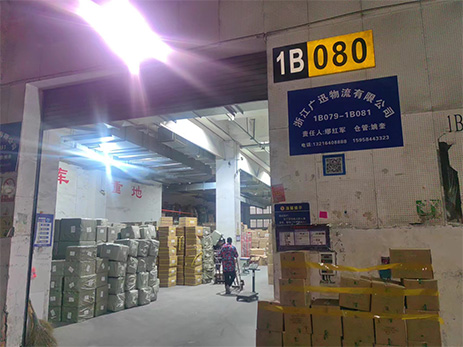
Several common delivery methods in international logistics
The delivery method in international logistics mainly determines the process of delivering goods from the seller to the buyer. Different delivery methods have different processes and regulations, which can affect the delivery time, cost, and risk of goods. The following are several common delivery methods in international logistics:1. Direct ReleaseDirect delivery is a relatively simple and fast way of delivering goods. In this way, once the goods arrive at the destination port, they can be directly picked up by the consignee without the need to present the original bill of lading.2. Bill of Lading ReleaseBill of lading delivery is a common method of delivery, and the original bill of lading must be presented. The consignee needs to submit the original bill of lading to the shipper (usually a shipping or airline company) in order to pick up the goods.3. Telex ReleaseElectronic release is the process of releasing goods electronically, without the need for an original bill of lading. In the country of shipment, the shipper returns the original bill of lading to the shipping company or its agent, and then the shipping company notifies the release of the goods at the destination. This method reduces the time and cost of bill of lading transmission.4. Express ReleaseThe express delivery bill of lading is similar to electronic delivery, and it is also a way of picking up goods without the need for an original bill of lading. The shipping company will issue an express bill of lading, usually an electronic version, and the consignee can pick up the goods with this bill of lading.5. Release of goods from bonded warehouseIn some cases, goods may be stored in bonded warehouses awaiting further customs clearance procedures. The consignee must complete all relevant procedures and pay the relevant fees before they can retrieve the goods.6. Agent release of goodsAgent release refers to the process where a freight forwarding company completes the pick-up procedures on behalf of the consignee. This usually occurs when the consignee is unable to directly handle the pick-up procedures.7. Temporary storage and release of goodsSometimes, due to various reasons, goods may need to be temporarily stored in the warehouse, waiting for further processing by the consignee. In this case, the consignee needs to pay storage fees and complete relevant procedures before picking up the goods.8. Refusal to release goodsIn certain special circumstances, such as problems with the goods or failure of the consignee to pay fees, the shipping company or airline has the right to refuse to release the goods.In short, different delivery methods have different processes and requirements, which are suitable for different international logistics scenarios. Understanding these delivery methods can help enterprises conduct international trade activities more efficiently and safely.
2024-03-11More>>
-
 Transparent throughout the process
Visualization Services -
 Contractization
Standardize fees -
 Self built 20000 square meters+
Large warehouse -
 Professional logistics system
Real time update progress -
 Professional products
Procurement team


-

Hotline
13216408888 -

Wechat
-

